Selling a Mobile Home on Your Own: The New FSBO Reality in 2026
Selling a mobile home without an agent used to feel like a guessing game. You'd stick a sign in the yard, post a blurry photo online, and hope someone called. That approach barely works anymore.
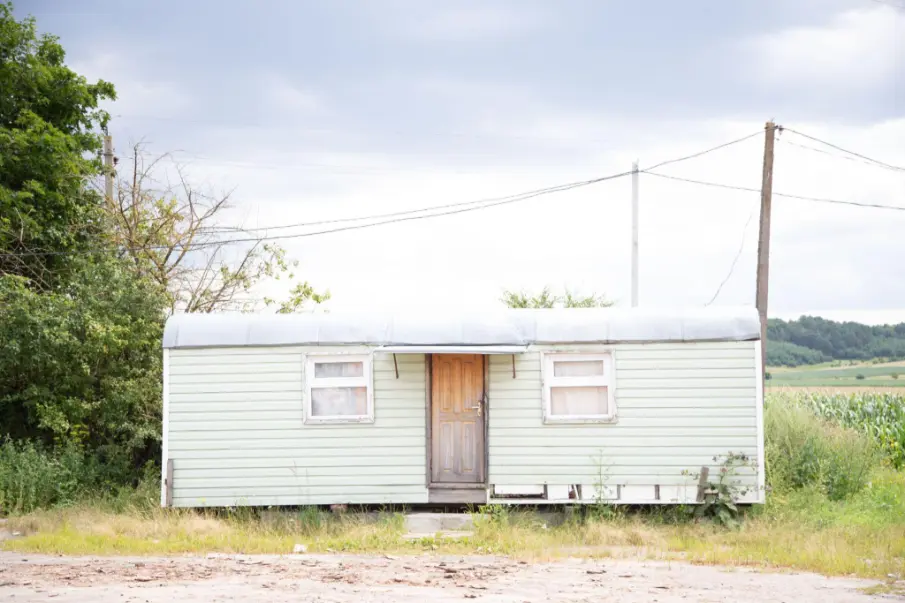
In 2026, buyers research everything before they ever pick up the phone. They compare listings on their phones, check park rules, and expect sellers to have answers ready. If you're planning to sell your mobile home yourself this year, the rules have shifted, and knowing them upfront saves you weeks of frustration.
This guide walks through what FSBO (For Sale By Owner) really looks like today, what buyers expect, and where sellers commonly get stuck.
Why Going Solo Looks Different Now
Mobile home sales used to run on word of mouth and local newspaper ads. Today, most buyers start their search online, often on marketplace apps or specialty mobile home listing sites. That means your first impression happens on a screen, not on your front porch.
Financing has also changed the game. Fewer lenders offer chattel loans for older manufactured homes, so a growing number of buyers pay cash or need seller financing. This shifts who your buyer pool actually is.
Park rules add another layer. Many communities require buyer approval before a sale closes, and some parks have tightened these rules recently. Skipping this step is one of the fastest ways to lose a deal after you thought it was done.
Getting Your Paperwork Straight First
Before you list anything, gather your title, park lease or land agreement, and any permits tied to additions like decks or skirting. Buyers and title companies will ask for these, and missing documents delay closing.
If you owe money on the home, contact your lender early to confirm your payoff amount. This number affects your asking price and how much room you have to negotiate.
Waiting until you have an offer to organize paperwork can create unnecessary stress. Preparing documents early helps keep the closing process on schedule. For homeowners who would rather avoid dealing with paperwork and park approval requirements, We Buy SC Mobile Homes offers a more straightforward selling experience.
Setting a Price Buyers Will Actually Trust
Pricing a mobile home isn't the same as pricing a stick-built house. Age, foundation type, and whether the land is owned or leased all swing the value differently.
Here's what typically affects your number:
- Whether the home sits on owned land or in a leased-lot community
- Local park fees and their effect on buyer demand
- Recent sales of similar homes in your area or park
- Cosmetic updates versus structural repairs needed
- Age and condition of the roof, HVAC, and plumbing
Skip the temptation to price based only on what you owe or what you feel it's worth emotionally. Pull recent comparable sales from your park or nearby communities, and price close to that range. Overpricing by even a small margin can leave a mobile home sitting for months.
Making Your Listing Actually Get Noticed
Photos carry more weight than most sellers realize. Listings with clear, well-lit photos of every room, plus the exterior and any outdoor space, get far more clicks than ones with two dark, blurry pictures.
Write your description with real details buyers search for:
- Square footage and number of bedrooms/bathrooms
- Year built and manufacturer, if known
- Lot rent amount and what it includes
- Recent upgrades like new flooring, appliances, or skirting
- Park amenities such as pools, clubhouses, or pet policies
Post across multiple platforms, not just one. Facebook Marketplace, mobile home-specific sites, and local community boards each reach different buyers.
Handling Showings and Offers Without an Agent
Showings for mobile homes often happen inside active communities, so coordinate timing with the park office if visitor rules apply. This small step prevents awkward moments with security or management.
When offers come in, read them slowly. Confirm the buyer's financing plan or proof of funds before you take the home off the market. A buyer who plans to figure out financing later can cost you weeks of lost time with other interested parties.
Negotiate in writing whenever possible, even through text or email. This creates a paper trail that protects both sides if questions come up later.
Closing the Deal Without Losing Your Mind
Closing on a mobile home usually involves fewer parties than a traditional house sale, but the steps still matter. Title transfer, park approval, and payoff of any existing loan all need to line up before money changes hands.
Work with a title company or attorney familiar with manufactured housing specifically, since standard real estate closing processes don't always fit these sales cleanly.
Confirm the exact payoff figures with your lender one more time right before closing, since interest can shift the number slightly from your earlier estimate.
Your Next Move
Selling a mobile home yourself in 2026 takes more upfront work than it used to, but it's still doable with the right preparation. Get your documents ready, price with real comparables, market with strong photos, and stay careful during offers and closing.
If the process starts feeling heavier than expected, there's no shame in bringing in help for part or all of it. Either way, going in informed puts you in a much stronger position than sellers who wing it and hope for the best.